

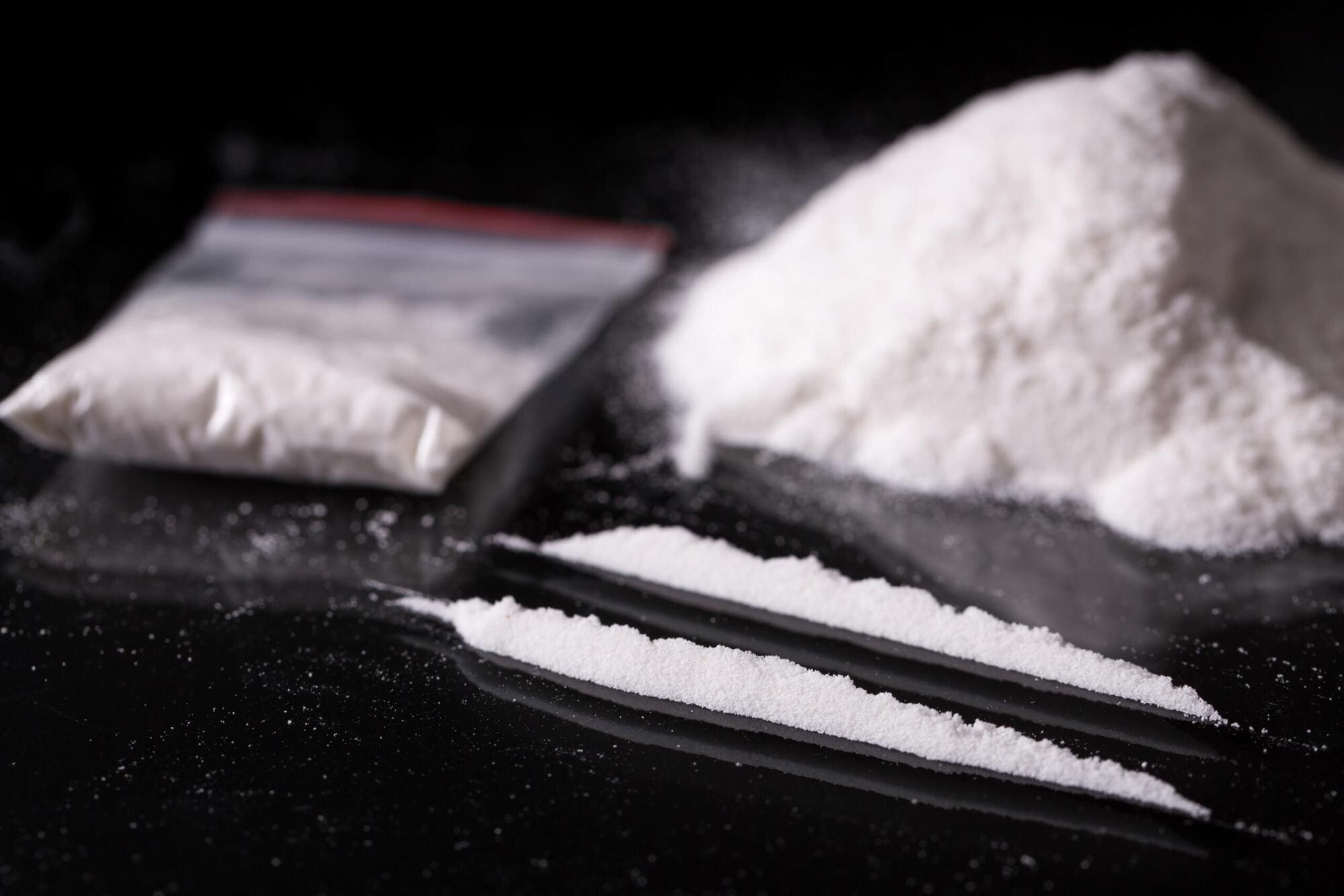
Pink cocaine is a street name for a recreational drug mixture that has attracted attention because of its distinctive appearance and potentially dangerous effects. Despite its name, pink cocaine does not necessarily contain cocaine. It is often associated with a mixture of different psychoactive substances, which may vary considerably depending on the source and composition.
The unpredictable nature of this substance makes it particularly concerning. People may not know which chemicals are present or how those substances interact inside the body. Understanding what pink cocaine is, its potential health consequences, and the importance of drug awareness can help individuals recognize the dangers and make informed decisions. Understanding buy cocaine online as an online search trend can support research into illegal drug distribution.
What Is Pink Cocaine
Pink cocaine, sometimes called tusi or tusibi, is a street drug commonly associated with a pink colored powder. Its appearance can create the impression that it is a specific chemical substance, but this is misleading.
Unlike traditional cocaine, pink cocaine is not a standardized drug with a consistent chemical composition. It may contain different combinations of psychoactive substances, including ketamine, MDMA, stimulants, and other chemicals.
The actual ingredients can vary significantly between samples. Consequently, users may be exposed to substances they do not expect, increasing the possibility of serious health complications. Researchers can examine buy cocaine search trends to understand online drug-related behavior.
Why Is Pink Cocaine Pink
The distinctive pink appearance is generally associated with added coloring agents rather than a particular active ingredient.
The color does not establish the drug’s purity, strength, or chemical composition. Two samples that look similar may contain completely different substances.
This is an important safety concern because visual appearance cannot reliably identify the chemicals present in an unknown drug mixture. Understanding buy crystal meth online can help explain how illegal drug markets operate online.
Common Substances Found in Pink Cocaine
Pink cocaine can contain several psychoactive substances. However, its composition is unpredictable, and not every sample contains the same ingredients.
Some substances that have been identified in different samples include:
Ketamine
Ketamine is a dissociative anesthetic that affects communication between nerve cells. It can alter perception, awareness, and coordination. Understanding heroin for sale terminology can help people recognize illegal drug-market activity.
Exposure may cause confusion, dizziness, impaired judgment, and changes in consciousness. Severe intoxication can create dangerous medical situations. Understanding buy ketamine online can help readers recognize the importance of legitimate medical channels.
MDMA
MDMA is a psychoactive stimulant that can influence mood, emotional responses, and sensory perception.
Its potential complications include increased body temperature, dehydration, cardiovascular stress, and disturbances in the body’s natural fluid balance. Understanding buy peruvian pink cocaine terminology can help explain misinformation in illegal drug markets.
Cocaine
Some pink cocaine samples may contain cocaine, a powerful stimulant that affects the central nervous system.
Cocaine can increase heart rate and blood pressure while raising the risk of heart attacks, strokes, and psychological complications. Understanding 8 ball of cocaine terminology can help researchers study drug-related communication.
Other Stimulants
Certain samples may contain other stimulant substances that can produce unpredictable effects.
Combining multiple stimulants can increase cardiovascular strain and contribute to anxiety, agitation, overheating, and other serious complications. Understanding cocaine hcl terminology can improve awareness of drug-related scientific language.
How Pink Cocaine Affects the Human Body
Because pink cocaine may contain several different substances, its effects can vary considerably.
The body may experience a combination of stimulant and dissociative effects. These substances can influence brain activity, heart function, body temperature, and emotional responses.
Potential effects include:
- Increased heart rate
- Elevated blood pressure
- Confusion and disorientation
- Anxiety and panic
- Impaired coordination
- Altered sensory perception
- Nausea and vomiting
- Increased body temperature
- Disturbed sleep patterns
The combination of unknown ingredients makes it difficult to predict how an individual will respond. Understanding fishscale cocaine terminology can help explain how illegal drug products are described.
Hidden Dangers of Pink Cocaine
One of the greatest dangers associated with pink cocaine is the uncertainty surrounding its chemical composition.
Unlike regulated medications, street drug mixtures do not have reliable manufacturing standards or consistent ingredient information.
Several important risks deserve attention.
Unpredictable Chemical Composition
People may believe they are consuming one particular substance when the mixture actually contains several different chemicals.
This uncertainty can increase the possibility of unexpected reactions, dangerous interactions, and accidental poisoning.
Increased Risk of Overdose
Different substances can affect the nervous system in different ways. Their combined effects may produce severe cardiovascular, respiratory, or neurological complications.
An individual may experience an overdose even without knowing which substances are responsible.
Cardiovascular Complications
Stimulants found in some mixtures can increase blood pressure and heart rate.
These effects may place excessive stress on the cardiovascular system and increase the risk of irregular heartbeat, heart attack, and stroke.
Mental Health Problems
Pink cocaine may affect emotional regulation and perception.
Possible psychological complications include paranoia, panic attacks, agitation, hallucinations, and severe confusion.
People with existing mental health difficulties may be particularly vulnerable to certain psychological effects.
Dangerous Drug Interactions
Combining multiple psychoactive substances can make their effects more unpredictable.
For example, stimulants may increase cardiovascular strain, while dissociative or sedative substances may impair consciousness and coordination.
Interactions involving alcohol or other medications can create additional risks.
Effects on the Brain and Nervous System
The brain is particularly vulnerable to substances that alter neurotransmitter activity.
Ingredients potentially found in pink cocaine may affect dopamine, serotonin, and other chemical messengers involved in mood, motivation, and perception.
Depending on the substances involved, individuals may experience confusion, impaired memory, reduced concentration, and unusual sensory experiences.
Severe intoxication can also contribute to seizures, loss of consciousness, and other neurological emergencies.
Repeated exposure to certain psychoactive substances may contribute to psychological dependence and persistent mental health difficulties.
Long Term Health Consequences
The long term effects of pink cocaine are difficult to predict because its composition is inconsistent.
Repeated exposure to the substances it may contain can contribute to several health problems.
Potential consequences include:
- Persistent anxiety and depression
- Memory and concentration difficulties
- Sleep disturbances
- Cardiovascular complications
- Psychological dependence
- Problems with emotional regulation
- Kidney or liver complications associated with certain toxic exposures
The severity of these effects depends on the chemicals involved, the frequency of exposure, and individual health circumstances.
Recognizing a Pink Cocaine Related Medical Emergency
Because pink cocaine can contain multiple substances, recognizing an overdose or severe reaction is extremely important.
Warning signs may include:
- Severe chest pain
- Difficulty breathing
- Seizures
- Extremely high body temperature
- Severe agitation or confusion
- Loss of consciousness
- Irregular heartbeat
- Sudden weakness or difficulty speaking
Anyone experiencing these symptoms requires immediate emergency medical assistance.
Medical professionals should be informed about any suspected substance exposure. This information can help them identify possible complications and provide appropriate treatment.
Prevention and Drug Awareness
Education is one of the most important ways to reduce the risks associated with unknown recreational drug mixtures.
People should understand that the name, color, or appearance of a street drug does not reveal its actual ingredients.
Schools, healthcare organizations, families, and community groups can contribute by sharing accurate information about substance misuse and its consequences.
Open discussions about addiction and mental health can also encourage individuals to seek assistance without fear of judgment.
Treatment and Professional Support
Individuals experiencing problems related to pink cocaine may benefit from professional medical and psychological assessment.
Treatment depends on the substances involved and the symptoms experienced.
Medical professionals can evaluate cardiovascular health, neurological symptoms, and possible toxic reactions.
For individuals experiencing repeated substance use or psychological dependence, behavioral therapy, counseling, and structured addiction treatment may provide valuable support.
Addressing associated mental health conditions is also important for long term recovery.
Conclusion
Pink cocaine is an unpredictable recreational drug mixture that may contain ketamine, MDMA, cocaine, and other psychoactive substances. Its distinctive pink appearance does not indicate a consistent chemical composition, purity, or safety. Understanding lavada cocaine terminology can contribute to broader substance-awareness research.
The hidden dangers include unpredictable drug interactions, cardiovascular complications, psychological problems, neurological effects, and potentially life threatening overdose.
Understanding these risks is essential for drug awareness and prevention. Anyone experiencing a suspected reaction or substance related health problem should seek professional medical assistance. Early intervention and appropriate treatment can help reduce complications and support long term health and recovery.
